To create an acceptable selection of indoor plants for a household where a rabbit is allowed to roam freely (and may occasionally eat) you will have to go further than general “safe for pets.” The rabbit’s hindgut fermentation type digestive process makes it possible for low levels of chemical irritation in its gut to lead to complete gastrointestinal shut-down.
The following twenty common houseplants have been proven to be nontoxic to rabbits under veterinary toxicology testing. These plants do not contain the toxic alkaloids or saponins commonly found in many houseplants nor insoluble calcium oxalate crystals which cause oral discomfort when ingested by a rabbit. Therefore, they should be considered safe if your rabbit decides to take a taste while exploring.
Quick Reference: The Top 20 Rabbit-Safe Plants
| Common Name | Botanical Genus | Primary Growth Habit | Maintenance Level |
| 1. Spider Plant | Chlorophytum | Trailing / Arching | Very Low |
| 2. Boston Fern | Nephrolepis | Mounding / Cascading | Moderate |
| 3. Parlor Palm | Chamaedorea | Upright / Bushy | Low |
| 4. Areca Palm | Dypsis | Upright / Tall | Moderate |
| 5. Ponytail Palm | Beaucarnea | Tree-like / Upright | Very Low |
| 6. Watermelon Peperomia | Peperomia | Compact / Rosette | Low |
| 7. Baby Rubber Plant | Peperomia | Upright / Mounding | Low |
| 8. Prayer Plant | Maranta | Low-growing / Spreading | Moderate |
| 9. Zebra Calathea | Goeppertia | Upright / Broad-leafed | High |
| 10. Cast Iron Plant | Aspidistra | Upright / Stalked | Very Low |
| 11. African Violet | Saintpaulia | Compact / Flowering | Moderate |
| 12. Swedish Ivy | Plectranthus | Trailing vine | Low |
| 13. Baby’s Tears | Soleirolia | Creeping mat | Moderate |
| 14. Aluminum Plant | Pilea | Bushy / Upright | Low |
| 15. Friendship Plant | Pilea | Low / Textured | Low |
| 16. Polka Dot Plant | Hypoestes | Compact / Colorful | Moderate |
| 17. Burro’s Tail | Sedum | Hanging / Succulent | Low |
| 18. Echeveria | Echeveria | Rosette succulent | Low |
| 19. Zebra Haworthia | Haworthia | Rigid / Succulent | Very Low |
| 20. Christmas Cactus | Schlumbergera | Pendant / Segments | Low |
Plant profile & care details
1. The Spider Plant (chlorophytum comosum)
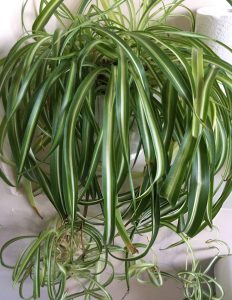
Is this safe? No toxic alkaloids, no systemic toxins, no harmful crystals. Mainly water with some mild cellulose fiber.
Care tip: medium to bright indirect light is ideal. Do not over-water. If top half soil dries out completely before next time watering, then water. Must be placed above rabbit reach; due to the grass like appearance and very tempting nature of this plant to rabbits.
2. Boston Fern (Nephrolepis exaltata)
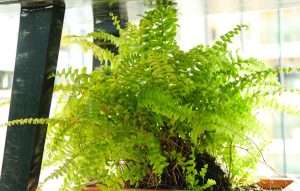
Why it’s safe? True ferns have none of the poisonous saponin or any other compound which can harm kidneys or liver.
Care tip: require high humidity and consistently wet soil. Regular misting or placement near a humidifier in bright, indirect light is necessary for good health.
3. Parlor Palm (chamaedorea elegans)
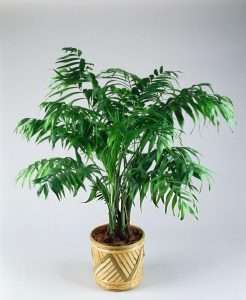
Why it’s safe? A real palm, free from all the dangerous glycosides found in cycad family plants (such as sago palm).
Care tip: low-light tolerant. Only water when the top inch of soil dries out.
4. Areca Palm (dypsis lutescens)
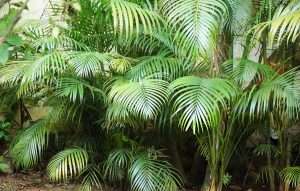
Why it’s safe? No toxic sap or cellular defense chemicals. Provide a large non-toxic focal point in your room.
Care tip: need bright, indirect sunlight. Require careful root handling. Good drainage is essential for healthy roots and to prevent root rot.
5. Ponytail Palm (Beaucarnea recurvata)
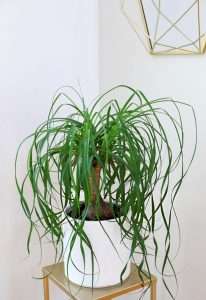
Why it’s safe ? Although it is called a palm, it is actually a succulent plant that contains no toxic compounds at all on stem, root, or leaves.
Care Tip: Because it stores moisture within its bulbous base, it requires very little water – about every 14-21 days. It should receive full sun for best growth.
6. Watermelon Peperomia (Peperomia argyreia)
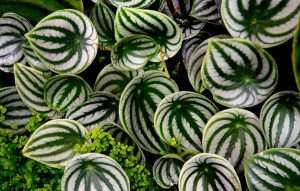
Why it’s safe ? Since there are no poisonous chemicals contained in the stems of this plant, like those of Ficus or Aroid-type plants, there’s nothing here to be concerned about.
Care Tip: This prefers bright indirect light. When you touch your finger to the underside of the leaves they will typically have some flexibility. If the leaves seem stiff they probably need watering.
7. Baby Rubber Plant (Peperomia obtusifolia)
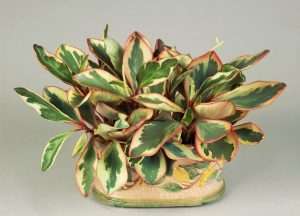
Why it’s safe? Be aware that although this looks exactly like a “Baby Rubber Tree” (a species of Ficus), it does NOT produce the irritating sap that can blind and damage skin upon contact. Instead, this produces a clear and perfectly harmless sap that acts as an internal reservoir of water storage.
Care Tip: Treat this plant much like you would treat a cactus/succulent. In addition to giving it good drainage in the soil, allow the entire container to dry out before each watering session.
8. Prayer Plant (Maranta leuconeura)
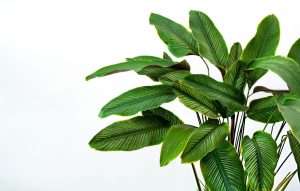
Why it’s safe ? As a member of the Marantaceae family (together with several other houseplants including the Ctenanthe spp.), these plants do not possess any cell damaging crystals, nor contain any toxic compounds. Therefore, even if you were to accidentally crush the leaves, causing them to drop onto your floor, there is absolutely NO risk of poisoning occurring!
Care Tip: To thrive best, provide this plant with moderate amounts of indirect light. Filtered/distilled water should also be used in place of tap water. Tap water can cause mineral deposits that may result in browning around the leaves’ edges.
9. Zebra Calathea (Goeppertia zebrina)
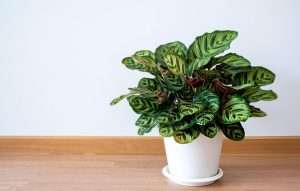
Why it’s safe ? While both the leaves and roots of this plant contain no poisonous substances whatsoever; neither do the many other members of the Marantaceae family that are commonly sold as houseplants.
Care Tip: As a member of the Marantaceae family (like Calatheas, Ctenanthes and Marantas), this plant thrives in environments where the air remains consistently humid (>50%) throughout the year. Soil should always remain moist but never soggy. Never position near strong direct sunlight during peak hours.
10. Cast Iron Plant (Aspidistra elatior)
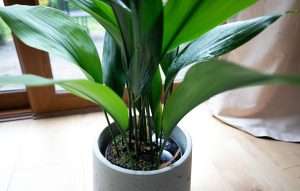
Why it’s safe ? There is absolutely nothing toxic associated with this plant. It grows slowly and possesses sturdy, thick stalks.
Care Tip: Considering how rugged this plant is it really doesn’t require much care. Even if you forget to water it from time to time, it will continue to thrive. It prefers low-light conditions and will tolerate irregular watering patterns.
11.African violets
( Saintpaulia )
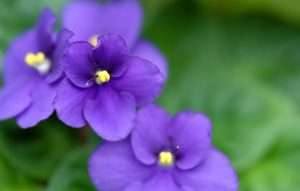
Why they’re safe; non-toxic foliage and flowers give you a completely safe way to add color indoors.
Tip : strictly water from the bottom. Let the container sit on top of a saucer of water. This will help you avoid getting water into your plants’ fuzzy leaves, which can cause fungus to grow.
12.Swedish ivy
(plectranthus verticillatus)
Why it’
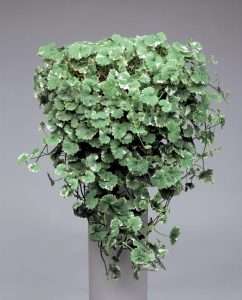
s safe ; this isn’t a Hedera, which contains highly toxic compounds called triterpenoid saponins. So, plectranthus verticillatus has no poisonous compounds either. It is part of the lamiaceae (mint family).
Tip ; very fast-growing. Will trail quite aggressively. Trim your vine every few days so that the ends don’t get too long.
13.Baby’s tears
(Soleirolia soleirolii)
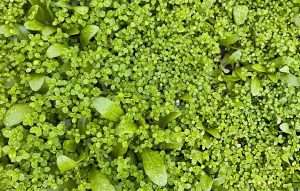
Why they are safe; dense mats of tiny, soft fibers make up this plant. All of them have no poisons.
Tip ; must be kept moist at all times. Ideal for use in low tables or terrariums. Won’t be bothered if it gets slightly nibbled.
14.Aluminum Plant
(Pilea cadierei)
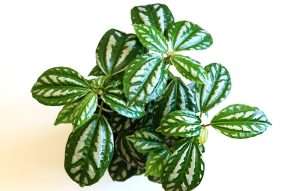
Why it is safe; no toxic secondary metabolites nor irritating sap in this plant.
Tip ; for a bushy plant, pinch off new growth fairly often. Water sparingly. Use half strength. Wait until surface is dry before watering again.
15.Friendship Plant
(Pilea involucrata)
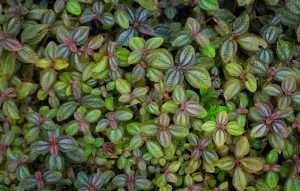
Why it is safe; leaves are cratered with a great deal of texture, making this an excellent choice for young herbivores.
Tip ; moderate light & high humidity. Perfect for enclosed systems or upper shelving units.
16. Polka Dot Plant (Hypoestes phyllostachya)
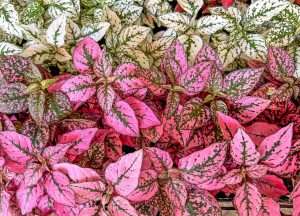
Why it is safe: The colorful spots are natural pigmentation, not a sign of chemical toxicity or heavy alkaloids.
Care Tip: Requires bright light to maintain its vibrant pink or red splashes. Keep soil consistently moist.
17. Burro’s Tail (Sedum morganianum)
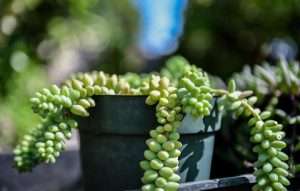
Why It Is Safe: Sedum morganianum has been identified as being a “safe” succulent which does not contain the very potent laxative chemicals known as anthraquinones present within the species Aloe vera.
Care tip: The leaves of this plant are extremely brittle and will simply fall apart if you touch them, so hang this plant at an extreme height and provide it with full sun and minimal water.
18. Echeveria (Echeveria spp.)
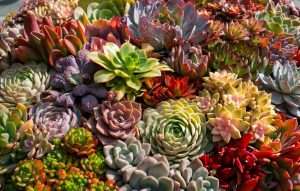
Why It Is Safe: No sap, nor internal crystals exist in these species to irritate your pet’s skin.
Care tip: To grow Echeveria successfully, use a well-draining succulent potting mix made of 50% grit / perlite and place in direct sunlight. Only water when the top inch of the growing medium is bone-dry.
19. Zebra Haworthia (Haworthia attenuata)
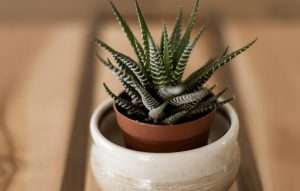
Why It Is Safe: While visually similar to potentially poisonous Aloe plants, Haworthia attenuata has none of the chemical purgatives that may lead to dehydration in rabbits.
Care tip: This species is a slow-growing, low maintenance option. Simply place in a bright window and occasionally give it a good soaking.
20. Christmas Cactus (Schlumbergera)
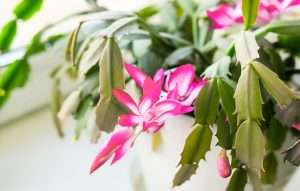
Why It Is Safe: Schlumbergera is an epiphyte jungle cactus that does not have the sharp, pointed spines of many desert cacti nor contain any internal toxins.
Care tip: Provide Schlumbergera with bright indirect lighting and allow the growing media to remain consistently damp throughout the autumn flowering season.
Designing Your Indoor Gardening Environment for Safety
Although using 100% toxin-free plants is highly recommended, keep in mind that there are other potential hazards related to indoor gardening that need to be considered by owners of small herbivorous pets such as rabbits:
- Digging Hazard: Many commercial potting soils include pellets made of synthetic fertilizers, or perlite, which can create intestinal blockages if ingested. Therefore, make sure that all soil surfaces adjacent to pots are covered with enough large river rocks (too big for your rabbit to pick-up and/or ingest).
- Vertical Leap: Adult rabbits can jump as much as 6 inches to 9 inches high. Therefore, position all valued or fragile plants on floating shelves or hanging pots with hooks attached to walls or ceilings and positioned at least 54 inches above the ground level.
- The “Safe” Principle: Non-toxic plants are simply non-lethal if an accident occurs. They should not be used as a deliberate dietary substitute for high-fiber timothy hay and fresh leafy greens.