
The best way to take your home to the next level is to create a wonderful and inviting space by bringing the outdoors in. This can also be a great way to enhance the beauty of your outdoor spaces by creating a lovely backyard garden. addition to adding visual appeal and fresh scents to our homes, indoor plants help clean the air we breathe, uplift our moods and improve the quality of life. While there are so many varieties of plants to grow as houseplants and yard plants, some of the most beautiful and most popular varieties contain chemicals designed to protect themselves against insect damage, animal consumption, etc. These chemicals can be deadly to pets such as children, cats, and dogs who may be tempted to eat them when ingested.
A plant enthusiast has to weigh their love of all types of houseplants versus the potential harm it could inflict upon their family members. It doesn’t have to be either/or; you should be able to enjoy having your own “jungle” while maintaining the health and safety of your family.
This article will provide an overview of how and why plants are poisonous, along with a resourceful chart which will compare various types of houseplants based on their toxicity levels. The article will also explain what are commonly referred to as “botanical look-a-likes” and answer important FAQs. Armed with the information contained within this article you will be better equipped to develop your own safe yet impressive interior design space that showcases your favorite houseplants.
1. How Does a Plant Become Poisonous?
Plants are unable to flee from dangerous situations. Therefore, over time, through evolution, plants have developed complex chemical defensive systems to prevent certain organisms (such as insects, small mammals, and birds) from consuming them. Similarly, the same chemical protective mechanisms present in houseplants and ornamental flowers in your yard may lead to medical emergencies if eaten by a toddler, cat or dog.
When either a person or animal bites the leaves or stems, the needle-like spines on them will pierce the softer tissues of the mouth, tongue, and throat. The reaction is instantaneous; severe burning, extreme swelling, salivation, and inability to swallow will occur.
Cardiac glycosides
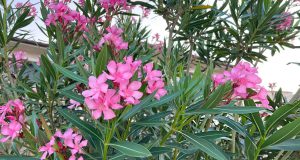
These are perhaps the deadliest toxins in the botanical world. Found in such plants as Oleander, lily of the Valley, and Foxglove, Cardiac glycosides act by interfering with the cellular sodium-potassium pump in heart muscle cells. Even an extremely small dose of ingestion can result in arrhythmia, significant decrease in blood pressure, heart block, and death.
Saponins
Saponins are soap-like compounds which are commonly found in plants such as snake plant and English ivy. Saponins serve as extreme gastrointestinal irritants. Although rarely fatal, Saponins destroy cell membrane in stomach linings resulting in severe vomiting, diarrhea, foaming at the mouth and decreased appetite.
Toxalbumins and alkaloids
Toxalbumins (such as the ricin present in castor bean) completely inhibit protein synthesis at a cellular level and have been fatal from microgram quantities. Lycorine and many alkaloids in bulbs of Amaryllis and in daffodil flowers stimulate the brain’s emetic area causing extreme, unrelenting vomiting along with a decrease in blood pressure and tremors.
2. Safe vs. Toxic plants: Quick Comparison Chart
The following chart offers comparisons for identifying highly toxic plants and their safer, less toxic alternatives. The chart provides a quick reference guide to assist you in reviewing your home and selecting the best plants for your next visit to the nursery based upon their physical appearance.
| Toxic Plant | Major Toxin | Human/Pet Symptoms | Safe Alternative | Botanical Family | Why It’s a Great Swap |
| Peace Lily | Calcium oxalates | Severe oral burning, drooling, swelling, vomiting. | Cast Iron Plant | Liliaceae | Features the same deep green, glossy foliage and survives beautifully in low-light spots. |
| Devil’s Ivy / Pothos | Calcium oxalates | Irritation of the mouth and lips, difficulty swallowing. | Swedish Ivy | Lamiaceae | Offers a fast-growing, cascading vining habit perfect for hanging baskets. |
| Fiddle Leaf Fig | Proteolytic enzymes | Dermal irritation; severe vomiting if chewed. | Money Tree | Malvaceae | Provides a prominent canopy visual with a beautiful braided trunk; non-toxic. |
| Snake Plant | Saponins | Nausea, heavy drooling, ruptured red blood cells, diarrhea. | Zebra Haworthia | Asphodelaceae | Delivers an architectural, upright look with striking white ridges. |
| True Lilies | Unknown water-soluble toxin | Extremely fatal to cats. Causes acute kidney failure. | Moth Orchid | Orchidaceae | Offers stunning, sophisticated blooms with zero toxicity to cats or dogs. |
| English Ivy | Triterpenoid saponins | Severe GI distress, hypersalivation, abdominal pain. | Boston Fern | Nephrolepidaceae | Delivers a lush texture that cascades perfectly out of pots safely. |
| Sago Palm | Cycasin | Highly toxic. Liver failure, bruising, tarry stools, death. | Parlor Palm | Arecaceae | Brings a gorgeous tropical aesthetic indoors without dangerous toxins. |
| Oleander | Cardiac glycosides | Deadly arrhythmias, tremors, seizures, sudden collapse. | Crape Myrtle | Lythraceae | A spectacular outdoor shrub yielding vibrant, heavy summer blooms safely. |
| Monstera Deliciosa | Calcium oxalates | Intense burning of the mouth, choking, heavy drooling. | Prayer Plant | Marantaceae | Features large, stunningly patterned leaves that are entirely pet-safe. |
| Aloe Vera | Anthraquinone glycosides | Vomiting, lethargy, diarrhea, changes in urine color. | Haworthia Retusa | Asphodelaceae | Has the exact same fleshy, star-shaped succulent growth without the toxins. |
| Dieffenbachia | Calcium oxalates | Severe swelling of the airway, drooling, vocal loss. | Calathea Ornata | Marantaceae | Offers large, striking leaves with bright pink pinstripes. |
| Jade Plant | Unknown toxic principle | Depression, lethargy, vomiting, loss of coordination. | Burro’s Tail | Crassulaceae | A completely safe, visually fascinating succulent with thick, fleshy leaves. |
| Azalea / Rhododendron | Grayanotoxins | Drooling, diarrhea, depression, seizures, heart block. | Camellia | Theaceae | An evergreen outdoor shrub with gorgeous, pet-safe, rose-like blooms. |
| Tulip Bulbs | Tulipalin A and B | Severe vomiting, drooling, increased heart rate, tremors. | Snapdragons | Plantaginaceae | Safe, colorful outdoor spring blooms that pose no threat if dug up. |
| Philodendron | Calcium oxalates | Intense burning of lips and tongue, vomiting, foaming. | Watermelon Peperomia | Piperaceae | Provides a lush, rounded leaf structure with beautiful silver striping. |
To make finding the perfect safe plant even easier, explore this interactive database. You can filter houseplant options by their toxicity status, light requirements, and humidity preferences to find the exact right fit for your home.
Houseplant Safety Explorer
3. In-Depth: The Most Common Mistakes When Caring for Your Plants & What They Can Be Confused With
It may seem difficult to identify many houseplants as there are numerous safe houseplants that resemble highly-toxic plants. This leads to either a possible pet poisoning incident or excessive worry. We’ll examine two of the most common mistaken identities in the plant world below.
The Overhanging Hanging Vine Problem: Pothos, Heartleaf Philodendron, vs. Peperomia
There are several beautiful options when searching for a trailing vine to hang from a shelf. A good example would be either a Pothos or Heartleaf Philodendron. However, these two extremely popular vines contain insoluble calcium oxalate crystals that could potentially poison a young child who has ingested it or an animal who has chewed through them.
For those seeking the exact same trailing appearance without a potential medical emergency, consider looking into Peperomia prostrata (also known as String of Turtles) or Peperomia scandens (known as Cupid Peperomia).
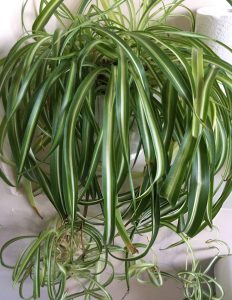
In addition, as displayed above, Cat owners can safely utilize a variety of plants such as the Spider Plant (Chlorophytum comosum) as their pets tend to naturally seek out and chew on all types of grasses. The Spider Plant contains no harmful substances.
The Attractive Flowering Danger: Peace Lilies vs. Real Lilies
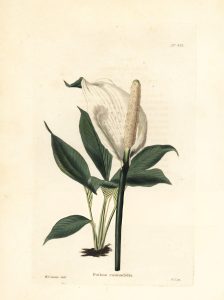
When referring to lilies in the botany world, the term “lily” is often used loosely and this can create hazardous confusion:
Peace Lilies (Spathiphyllum): There are no actual lilies found in peace lilies. Like other members of the Spathiphyllum family, they also contain calcium oxalate crystals. While peace lilies cause oral pain, drooling, and vomiting, death is rare when treated immediately.
Real Lilies (Lilium or Hemerocallis family, i.e., Easter, Asiatic, Tiger, Stargazer Lilies): Real lilies are highly toxic to cats.
For example, if a cat simply rubs against an Easter lily and then licks the small amount of pollen left behind on the cat’s coat; the cat’s kidneys can fail completely in a matter of days. Therefore, real lilies should never enter your home if you own a cat.
4. General Toxicity Information
A. Is the term “toxic” for a plant always a sign that it will kill you?
Toxicity levels vary from mild irritation to death. The term “toxic,” however, does not signify a toxic level of toxicity. While most houseplants have been classified as “toxic” they are simply irritating to the tissues of pets and children. Chewing on a piece of Pothos will quickly burn your mouth with an immediate reaction forcing both children and animals to cease eating. It is also unlikely that either would continue to chew the leaf once their mouth was burned; hence causing local irritation rather than a systemic poison.
There is a subset of poisonous plants (Sago Palms, True Lilies, and Oleander), however, that can produce lethality from ingestion in very small amounts.
B. Can people become poisoned just by coming into contact with a toxic plant?
Yes. Contact with toxic plants can lead to poisonings depending on the type of plant. The majority of toxic indoor plants must be consumed before any danger occurs. Certain types of plants, however, possess saps that cause contact dermatitis (burns). Plants in the Euphorbia family (African Milk Trees, Poinsettias) release a white milk latex sap when damaged. This sap contains diterpene esters. When this sap comes into contact with your skin, blisters occur. If the sap gets in your eye and rubs against it, temporary blindness may occur. Therefore, always wear protective gloves when cutting back unknown plants.
C. Do dried flowers or fallen leaves retain their toxic nature?
Yes. With most plants, toxic alkaloids, glycosides, or resins remain stable regardless of whether the plant has died and dried-out or whether the plant has shed its leaves. Fallen autumn leaves from outdoor toxic shrubs and dried eucalyptus in a bathroom arrangement are examples of how toxic substances can remain active in dried forms. Always place dried arrangements far away from pets and young children
D.What’s driving your pet’s instinct to eat toxic indoor exotic plants?
Your dog or cat is simply acting on instinct; like a wild animal in its natural environment, it is seeking something to eat and then expelling the residue.
Cats will seek out plants that have leaves with a lot of texture and long narrow leaves (e.g. Spider Plants, palms, Dracaena). The vertical motion of these types of leaves mimics the movement of small animals such as mice or snakes and aids in clearing their digestive system.
Dogs may eat plants for a number of reasons, but most commonly due to boredom, anxiety or due to teething. There is no way for your pet to know the difference between a “safe” weed and a toxic indoor exotic plant.
E.Can i safely store my toxic houseplants if i don’t want to get rid of them?
If you own houseplants that are considered mild-to-moderate toxins (Monstera, pothos), there are ways you can prevent children or pets from accessing them while still allowing yourself the ability to view and enjoy them. One strategy would be to implement the defense-in-depth approach:
Isolate vertically: hang vining plants securely using large hooks attached to your ceiling. This will ensure your vining plants remain completely inaccessible. Similarly place larger pots at least three feet off the ground on very heavy bases that cannot be tipped over.
Create physical barriers: store all of your houseplant collections in an isolated area (greenhouse) or in a glass greenhouse cabinet that has locks.
Use natural deterrents: Spray citrus-based juices onto the topsoil of each pot and/or apply a bitter apple-scented Spray. Most pets detest the smell and taste of citrus.
Emergency protocols when children ingest toxic indoor exotic plants
- In the event that your child ingests a toxic indoor exotic plant:
Remain calm & remove any remaining leaves/stems from their Mouth: gently brush any remaining portions of leaves or stems from the Mouth. Then wipe their Mouth with a damp cloth.
- Identify the plant: take a good quality digital picture of the plant with leaves, stems, root systems intact.
- Contact emergency services right away: contact your local Poison Control Center. Do not attempt to make your child vomit unless instructed to do so by a medical professional. Inducing vomiting could potentially increase damage caused to your child’s throat by twice the amount.
Why do my cats and dogs eat toxic plants?
Animals are controlled by instinct. Cats like to go after long, thin, grass-like leaves such as Spider Plants, palm trees and Dracaena. The motion is similar to when they hunt for food. They also have the need to help move items through their body systems. Animals are unable to tell what type of weed is safe and which type is toxic.
How can i protect my indoor exotic plants if i have children or pets that are always around them?
You have a choice of using the defense in depth method of protection if you want to keep toxic houseplants around your home but still protect children and pets from them.
The first part of this method is to physically isolate your plants vertically. Hang vining plants from heavy ceiling anchors to prevent access. Also, place large pots of plants on tall heavy plant stands that will not tip over.
Another way to protect your plants is to put them in a separate area of your home where children and pets are less likely to touch them. This could be a separate room or even a glass greenhouse cabinet that has been locked.
You may also be able to deter animals from eating your plants by spraying the container of each plant with a citrus juice mixture. Most pets dislike the taste and smell of citrus juices.
Emergency procedures
What should i do if my child eats a toxic houseplant?
Remain calm and take action to clear any remaining parts of the leaf or stem from your child’s Mouth. Wipe your child’s Mouth with a damp cloth.