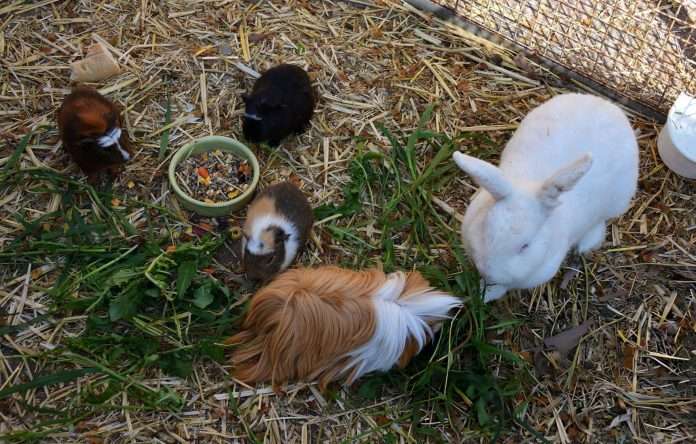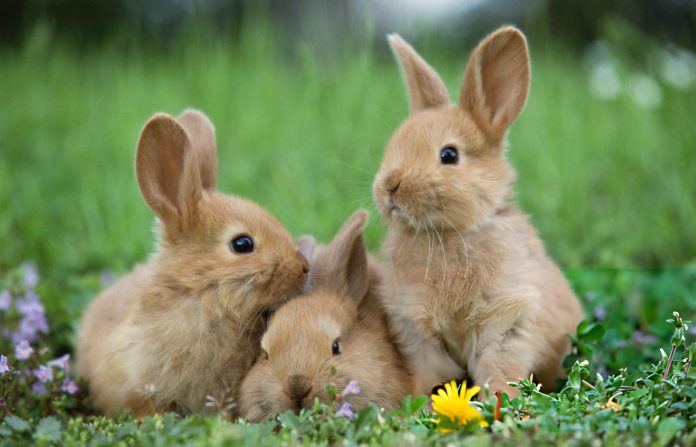
Sharing your home with a rabbit or a guinea pig means you probably also understand that their view of the world starts from the bottom-up, that is, they see everything around them first as food. So while vines hanging from a ceiling may be a beautiful sight to you, they represent a long, green smorgasbord for your pet rabbit or guinea pig. The combination of having a small number of loose animals inside and an abundance of houseplants can create a very precarious situation when trying to prevent your pets from eating a particular plant. It is bad enough when you have dogs and cats running around the house with potential to get into trouble by eating one of your plants. But for rabbit and guinea pig owners, the threat posed by plants is much greater than just causing some vomiting and diarrhea. Your pets have special digestive systems that are highly sensitive and therefore need to be treated with extreme care. This article provides a comprehensive overview of all of the things you should consider before attempting to grow your own indoor jungle while keeping safe those cute furry friends running around your house. Specifically, we will provide information regarding the biological reasons behind why certain plants are toxic to rabbits and guinea pigs, list which plants are considered non-toxic to your pets, discuss several hazards associated with using organic potting soil, and detail steps to take if your pet does happen to accidentally eat one of your poisonous plants.
The Specific Nature Of Rabbit And Guinea Pig
Digestive Systems That Puts Them At Risk From Toxic Plants
You need to understand why plant toxicity is such a major issue for rabbits and guinea pigs before you begin shopping for new plants. Rabbits and guinea pigs are different from many other mammals including dogs, cats and even people. Rabbits and guinea pigs lack the ability to throw up anything they consume. There are no muscles that exist that would allow either of these animals to regurgitate something they consumed that was toxic. Therefore, once they swallow something toxic, the substance has to pass all the way through their gastrointestinal system. Both rabbits and guinea pigs are “hind-gut fermenters,” which means they use bacteria in the cecum (the pouch in the lower part of their intestines) to digest fiber. A disruption in this balance of bacteria or slowing of the movement through the gut caused by consuming a toxic compound can lead to death due to GI stasis. GI stasis occurs when there is a complete stoppage of the normal movement of contents through the digestive tract, accumulation of gas leads to painful bloating, and the animal can quickly die (usually within 12-24 hours).
Because of this physiological reality, there is zero margin for error when bringing plants into your home.
The Golden Rule: “Pet-Friendly” vs. “Safe to Eat”
When you see that a plant has been classified by either the American Society for Prevention of Cruelty to Animals (ASPCA), Veterinary Board, or other organizations as “non-poisonous” or “pet-friendly,” this indicates that the plant does NOT have toxic substances such as calcium oxalates or cardiac glycosides in its cells which would poison their organs.
Non-toxic, however, does NOT indicate that it is a healthy edible alternative for small pets.
Small animals eat houseplants primarily for aesthetic reasons, as opposed to eating plants to obtain nutrients (such as fiber, silica, etc.) found within hay or safe leafy greens. While a few bites may be harmless, eating too much of a non-toxic houseplant could cause extreme diarrhea, bloat, or abdominal pain due to your pet’s inability to break it down through digestion.
The Golden Rule: Consider all non-toxic houseplants as “not fatal if a bite occurs.” However, always remember that they are NOT snacks for your pets. To help protect your pets, use physical barriers to prevent access to the non-toxic plants while maintaining a beautiful and thriving indoor garden.
The “Green List”: Top Pet-Safe Plants
If you desire an indoor jungle, the following plants are considered safe for both rabbits and guinea pigs:
1. Spider Plant (Chlorophytum comosum)
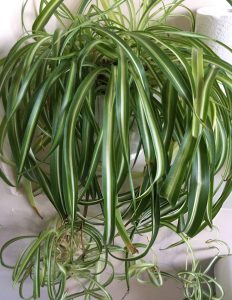
Spider plants are one of the most well-known pet-friendly plants available. In addition to being extremely durable and tolerant to varying light conditions; spider plants are also very easy to reproduce when the “baby” plants on long stems fall off the main stem (also called “spiderettes”).
Profile: Requires bright, indirect sunlight, yet will survive in lower light. Water thoroughly until moisture appears at the surface of the soil and allow about 2 inches of soil to dry completely before watering again.
Note: All parts of the spider plant are completely non-toxic. Additionally, there have been studies showing cat consumption of the leaves will induce mild hallucinations; however, rabbits and guinea pigs do not appear to react adversely to consuming the leaves although they are quite fond of their soft, grass-like texture. To avoid excessive consumption by your pet place the spider plant in hanging baskets where your pet cannot easily consume the entire plant.
2.Boston Fern (Nephrolepis Exaltata)
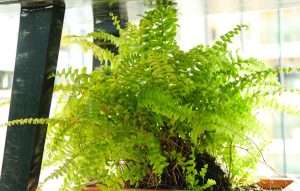
Because many fern species (such as the Asparagus Fern, a member of the Lily family) have the potential to cause harm; and the Boston Fern is harmless.
Care Profile: Boston Ferns have a need for high moisture content of soil and should never sit with soggy roots. Bright but Indirect light helps keep them healthy.
Pet Note: Because of the tendency for Boston Ferns to drop off small leaflets during growth, it would be better to house them near an area where there is a broom nearby. If your guinea pig eats a dead leaflet from a Boston Fern they will suffer no consequences.
3.Calathea & Maranta (Prayer Plants)
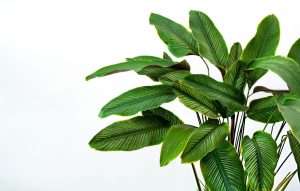
The beautiful colors & designs of the leaves fold at night, hence Prayer Plants. Prayer plants make great decorative items when housed safely around your pet friendly home.
Care Profile: They love High Humidity, Distilled/filtered water (tap water contains too much Fluoride for this plant), & Moderate Indirect Light. Do Not put direct sunlight on them as you will burn the leaves.
Pet Note: Non-toxic. Also, because they are a low growing plant (not trailing) you could place them on a mid level shelf away from your rabbits ability to jump onto.
4.Peperomia Species
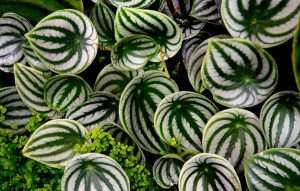
There are over one thousand different types of Peperomias (Watermelon Peperomia and Peperomia Obtusifolia being two very popular ones). All varieties are safe for your pets and provide unique shapes and sizes.
Care Profile: Store Water in Thick Leaves Like Succulents. Soil needs to dry out fully before watering thoroughly again. Best grown under Medium to Bright Indirect Light.
Pet Note: Typically small herbivores will find thicker leaves less desirable compared to the taste & texture of a variety of Grasses. Therefore, even though they may be able to get to them, most are unlikely to do so.
5. Cast iron plant (aspidistra elatior)
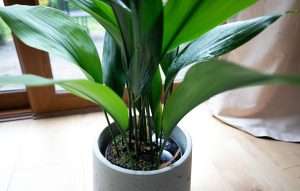
This plant is an excellent option for anyone with a “black thumb.” This plant is nearly as indestructible as cast iron, which is where it got its name.
Care information:
• this plant will grow best in low-light conditions, and can survive long periods of time without watering.
• the growth rate of this plant is extremely slow; however, it can eventually reach two to three feet in height.
Pet notes:
• the broad, hard leaves of this plant make it pet-safe.
• if you give your rabbit free roam in the house, place this plant on a small plant stand to keep your rabbit from using it as a chew toy.
6. African Violets (Saintpaulia)
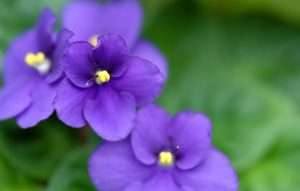
For those people who would like to have indoor blooming plants, but do not want to risk having something toxic like lily or tulip plants, the African Violet is a good alternative.
Care information:
• these plants require bright, indirect light to produce flowers.
• when caring for these plants, water by placing the pot in a container filled with water. Do not allow the water to come into contact with the soft leaves of the plant, as this may cause rot.
Pet notes:
• these plants are Non-toxic, and rabbits can safely nibble on them.
• because of the small size of these plants they are easy to put on desk tops, windowsills or other high areas of your home.
7. Polka dot plant (hypoestes phyllostachya)
The polka dot plant produces small leafed stems with green leaves featuring brightly colored spots in red, pink or white.
Care information:
• to promote healthy growth and continue to display its vibrant colors, provide plenty of moisture in the soil at all times. Bright, indirect lighting should also be provided.
Pet notes:
• although polka dot plants are not toxic to pets, the humidity needed for proper growth means they can thrive in terrariums — keeping the plant safe from being eaten while still providing adequate humidity.
8. True succulents (Echeveria, Haworthia & Burro’s tail)
While many plants commonly referred to as succulents are indeed toxic (such as Aloe Vera or jade), some true succulent varieties such as Echeveria and Haworthia are safe for consumption by animals.
Care information:
• provide maximum amount of sunlight available for optimal health and growth.
• only Drench the roots when the soil becomes completely dry.
Pet Note: Safe, but their delicate structures mean a curious rabbit could destroy a plant in seconds. Keep them on sunny window ledges.
Banishing the “Red List” of Toxic Houseplants
Below are examples of toxic houseplants that include chemical compounds capable of causing severe organ damage to rabbits and guinea pigs.
Never have any of these houseplants in your house.
- Lilys (True Lilys) & Daylilys: Just one speck of pollen from either true lily or daylily could cause a rabbit to experience acute renal failure if they groom themselves by eating the pollen off their coat.
- Aroids (Monstera, Philodendron, Pothos, ZZ Plant): These are among the top five most common household plants. They contain insoluble calcium oxalate crystals. When consumed, the crystals create microscopic glass shard-like effects inside the mouth, throat and gastrointestinal tract. This causes the animal to go into shock due to excruciating pain and swelling of the mouth and throat. Additionally, they become unable to consume food or water.
- Sago Palm: Sago palms produce an extremely toxic compound called cycasin, which destroys the liver. A rabbit would die within hours after consuming just one seed or nibbling just one part of a leaf.
- Aloe Vera: Although people use Aloe Vera for healing purposes, the same substance also includes saponins and anthraquinones. In smaller amounts, the saponins and anthraquinones found in Aloe Vera act as a very strong laxative in herbivorous animals. Consequently, this leads to dehydration through excessive urination/defecation, and additional GI distress.
- Dieffenbachia (Dumb Cane): Dieffenbachia has been shown to possess highly concentrated levels of calcium oxalates and powerful proteolytic enzymes. Both of these substances result in extreme oral swelling.
- English Ivy: English ivy leaves contain triterpenoid saponins. As such, ingesting English ivy can lead to severe stomach discomfort, hypersalivation and eventually neurological decline in small animals.
Strategies for Creating Your Pet-Friendly Indoor Jungle:
In addition to only using pet-safe plants in your collection, you will still need to take steps to ensure that neither the plants nor the pots harm your pets.
1. Maximize Your Use of Vertical Space
You may think your rabbits cannot climb, but many varieties of rabbits are agile enough to stand upright for short periods. Many rabbits can easily periscope up to 3ft off the floor.
- Macrame Hanging Baskets: You should hang baskets containing trailing plants (Spider Plants or Boston Ferns) at least 5ft above the floor by using macrame hanging cord and attaching them securely via a hook to the ceiling.
- Float Shelves for Your Plants: Set aside space specifically for plants.
- Tall Plant Stands: Elevate floor plants using stands with smooth, straight legs that a rabbit cannot climb.
2. Be Aware Of Hidden Danger From Soil Container
While the greens themselves are hazardous, so too are the containers in which they sit.
- Chemical Toxicity: A number of commercial potting soils are pre-fertilized with synthetic fertilizing pellets. If a rabbit were to dig through the dirt and ingest the toxic chemical beads, it would experience extreme toxicity.
- Blockage Risk: Vermiculite (the white Styrofoam like material in soil for drainage) and perlite (small white balls in soil for water retention) cannot be consumed by rabbits. Consuming either of these items will create an obstruction within the digestive system.
- Systemic Pesticide Residue: Commercial growers may use systemic pesticide chemicals on their plants. These residues reside within the plant tissues for several months after application. If you purchase a healthy plant (such as a fern), do NOT allow your pet access to any fallen leaves until at least three months after purchasing.
3. Decoy method
If your pets are extremely motivated to obtain your decorative plants, provide them with a legal alternative. Create a safe area for them to graze on edible grasses placed at floor level; this way they can continue to exhibit their natural grazing behavior.
Enhancing Environments: Planting For Your Pets To Eat
If you enjoy creating a garden indoors but wish to benefit your pets from your new hobby, consider planting edible plants specifically for your pets to consume.
Wheatgrass (Pet Grass)
Cat grass often comes from sprouted wheat, oat or barley seeds. Sprouts of this type are very high in fiber content and offer numerous health benefits for small herbivorous animals.
Growing Wheatgrass:
Purchase organic wheatgrass seeds. Over night soak the seeds, and then place them into an even layer across a shallow container filled with organic soil without added fertilizers. Water lightly and maintain moisture levels. After five-seven days, you will have a lush carpet of wheatgrass.
Feeding Your Pet Wheatgrass:
You may put the entire tray of wheatgrass into your pet’s enclosure during supervised foraging time. During this time, your pet will cut the wheatgrass back to the soil surface.
Safe herb garden for guinea pigs and rabbits
Guinea pigs love fresh herbs. An herb garden on the sunniest windowsill will give them a steady supply of fresh, safe snacks.
- Cilantro & Parsley: high in vitamin c (very important for guinea pigs), and both are popular with all the pets.
- Mint (all types): the strong smell will stimulate an appetite for even a sick rabbit to eat.
- Basil: a rapid-growing indoor plant that smells great and is safe to use.
What to do when pets chew on something unidentified
When you arrive home to discover your pet has eaten something from your plants, you don’t know what it was. In this case, time is very critical because guinea pigs and rabbits can’t vomit. every minute matters.
1. Identify the plant and Quantify the Damage:
Don’t panic – act now!
Get a picture of the plant. Determine how much Damage occurred. Was the entire leaf consumed, or did the animal only nibble a little bit off one side of the leaf? If possible, retain the damaged leaves for potential veterinary identification.
2. Evaluate animal’s present health status:
Is there excessive salivation? Is he pawing at his mouth? Does he seem anxious or fearful? Will he still eat his favorite food? Indicators of immediate health concerns. If the animals continue to be interested in eating hay, this may indicate they have not consumed enough toxin to cause serious harm; however, it does not mean they will be unaffected by the toxic substance.
3. Contact your exotic veterinarian or pet poison help hotline: aspca poison control line: 1-888-426-4435
Don’t wait for symptoms to show. Contact your exotic-savvy veterinarian or contact the ASPCA Animal Poison Control Center immediately after identifying the plant species involved and estimating the quantity of plant material consumed by your pet(s).
4. Encourage your pets to drink water & eat hay:
Once you have consulted with your veterinarian about monitoring your pet(s) at home, provide your pet(s) with as much fresh, wet leafy green (such as romaine lettuce) as well as unlimited timothy hay as soon as possible.
5.Monitor Feces for 24 Hours:
Watch their litter box closely. If their fecal pellets become tiny, strung together with hair, misshapen, or stop entirely, they are entering GI Stasis. Rush them to an emergency exotic vet immediately for gut-motility drugs and subcutaneous fluids.
FAQs (Frequently Asked Questions)
- Q: May I apply insecticidal soap or neem oil to my pet-safe plants?
A: Be extremely cautious. Neem oil and insecticidal soaps contain fewer toxins than chemical pesticides, but can create serious stomach problems for a rabbit or guinea pig. Should you need to treat your plant for pest infestation, place the treated plant in an entirely inaccessible room until the treatment has been completed and all of the leaves have been wiped clean with plain water. - Q: My rabbit consumed a dried, dead leaf from one of my Spider Plants. Will this kill him?
A: No. The dead leaf from a non-toxic plant is nothing more than crunchable fiber. Although it is void of nutrition, it will also not poison your rabbit. In fact, the best way to ensure your rabbit does not over-consume dead leaves (which lack the nutritious qualities of hay) is to regularly sweep away dead leaves. - Q: Are air plants (Tillandsia) safe for my guinea pigs and rabbits?
A: Yes; however most species of Tillandsia are toxic-free. Due to the nature of many air plants being small and having light pots, these appear as a potential “toy” to a small pet. To prevent consumption by your pet, mount the air plants above reach. - Q: Where there are no other options for a pet to access my plant, is it acceptable to hang my pothos plant high enough that I know it is beyond reach?
A: Yes, it is an accepted gamble. Pothos contains calcium oxalate crystals which are very toxic. There is always some chance that when growing new stems and/or dropping its leaves the stem/leaf will fall to the ground where it will be available to your pet. Therefore, if you elect to keep toxic plants around your pets, they should be placed in areas where your pets do not roam freely. - Q: Why do some lists say a plant is safe, but others say it’s toxic?
A: Toxicity is often dose-dependent and species-specific. A plant that causes mild drooling in a large dog might cause fatal GI stasis in a 2-pound guinea pig. Always rely on exotic-specific veterinary resources rather than general pet-safe lists when in doubt, and adhere to the Golden Rule: Safe means “okay if an accident happens,” not “safe to feed.”